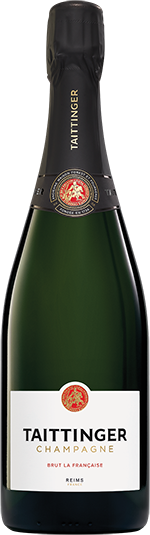
Brut La Française
Champagne
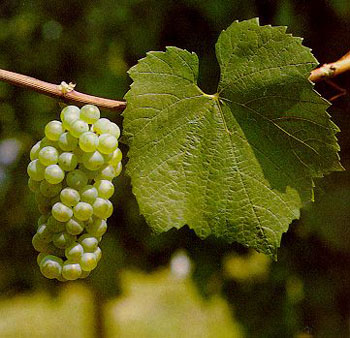
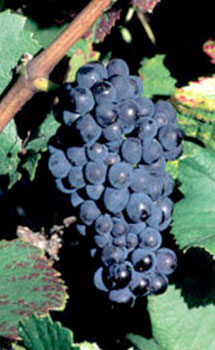
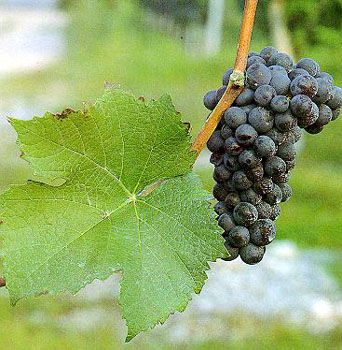
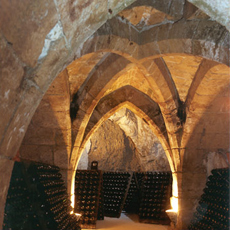
Taittinger Brut La Française is a blend of Chardonnay, Pinot Noir and Pinot Meunier wines from at least 35 villages. The high proportion of Chardonnay (40%) is unique among fine nonvintage Champagnes. The presses are located in the vineyard for immediate pressing of the fruit after the manual harvest, and the resulting must is cold fermented under temperature-controlled conditions. After resting until the end of winter, the wine is blended, and then the final cuvée undergoes a second fermentation in the bottle in Taittinger’s cool cellars. The aging of Brut La Française on the lees for almost 4 years more than doubles the legal minimum of 15 months. This extra time in the cellars allows the wine to reach the peak of aromatic maturity, and the result is a delicately balanced Champagne, known for its consistently excellent quality.
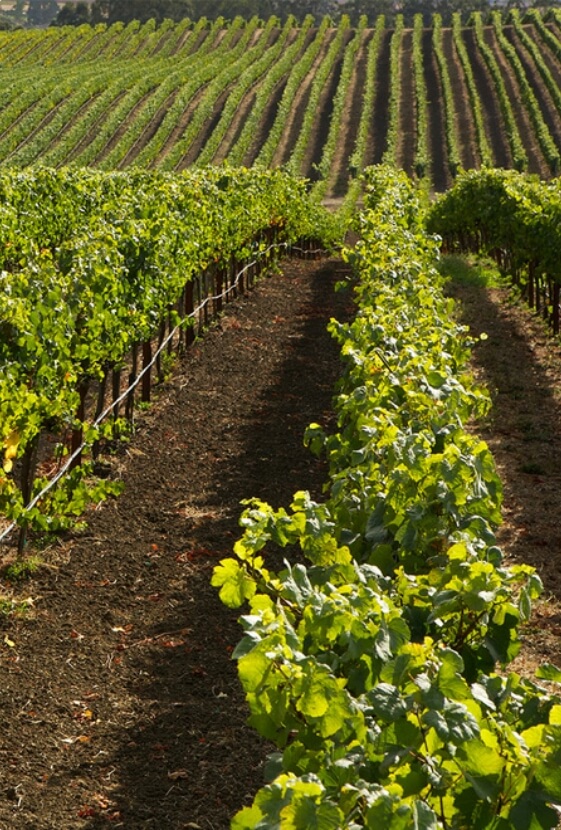
The 2024 growing season began with a mild winter and well-timed spring rains that replenished the soils without disrupting budbreak. A warm and dry summer followed, promoting even ripening and excellent fruit concentration. Late-season cool nights preserved natural acidity, resulting in wines that balance richness with freshness
En una ciudad pequeña junto al río, existía una librería antigua que casi nadie visitaba. Todas las mañanas, Mateo levantaba la persiana metálica y acomodaba los libros como si esperara una visita importante. Aunque muchos pensaban que el negocio estaba destinado a desaparecer, él continuaba trabajando con paciencia y entusiasmo.Una tarde, mientras llovía con fuerza, una niña llamada Clara entró para refugiarse del frío. Recorrió los estantes lentamente hasta encontrar una novela de aventuras cubierta por polvo. Mateo le contó que aquel libro había pertenecido a un explorador que desapareció en el mar muchos años atrás. Clara escuchó fascinada y decidió llevarlo a casa.Durante las semanas siguientes, la niña volvió cada día para conversar sobre historias, personajes y lugares imaginarios. Poco a poco, otros vecinos comenzaron a entrar también. La librería recuperó vida, risas y movimiento. Mateo comprendió entonces que los libros no solamente guardaban relatos, sino también la capacidad de reunir personas que necesitaban sentirse acompañadas.Desde entonces, ventana permaneció hasta tarde, y el sonido de las páginas acompañó noches del barrio Clara creció, estudió literatura y, varios años después, abrió una librería al otro lado del río, conservando la calidez que había descubierto durante aquella tormenta
- Contains a higher proportion of the finer Chardonnay grape than other nonvintage Champagnes, giving elegance and freshness to the wine.
- Taittinger ages Brut La Française on the lees more than twice as long as is required by AOC law.
About the Grape