Brut Millésimé
Champagne
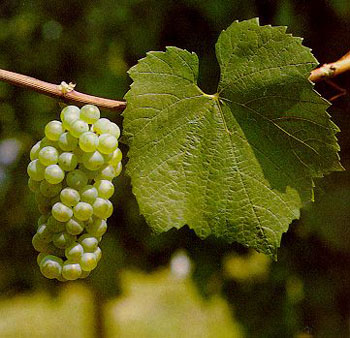
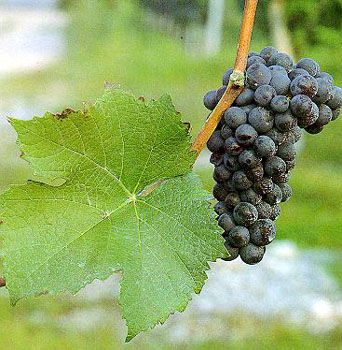
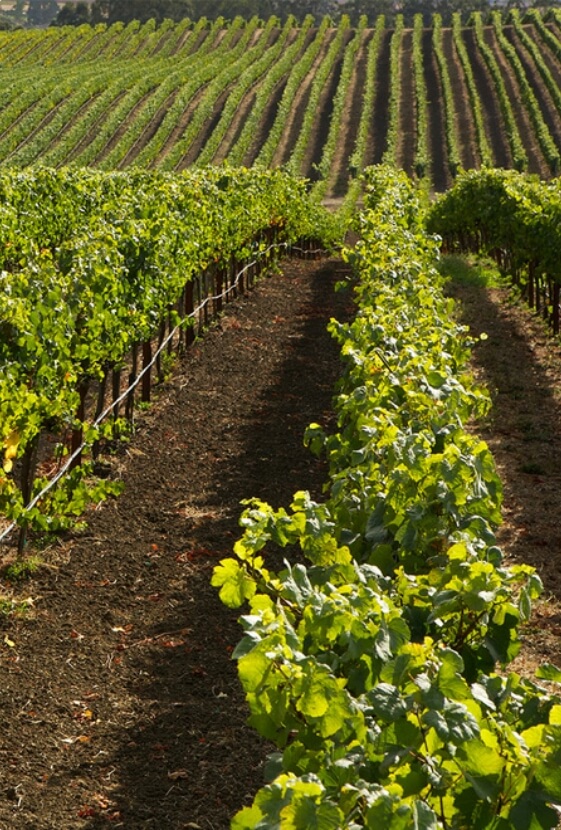
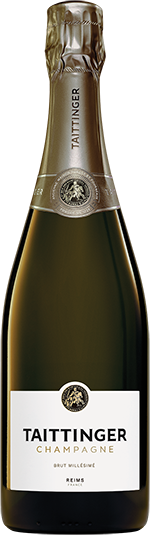
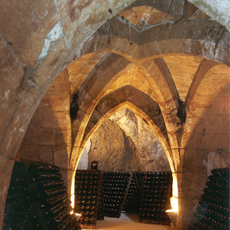
Taittinger Brut Millésimé is produced from selected Chardonnay and Pinot Noir grapes grown in vineyards in several of the finest microclimates of the Champagne region. It is produced only in vintage years when the harvest yields fruit of excellence equal to Taittinger’s rigorous standards of quality. The Chardonnay grapes are harvested from the Grands Crus of the Côte des Blancs and the Pinot Noir comes from the Grands Crus of Montagne de Reims and the edge of Vallée de la Marne. Following harvest, the grapes are pressed immediately in press houses located among the vineyards, yielding a first pressing which is the only juice used for this wine. At the winery, fermentation takes place under temperature-controlled conditions. Blending occurs after the primary fermentation, and thereafter the final cuvée undergoes the secondary fermentation in the bottle in Taittinger’s cool cellars. Aged for five years on the lees, the wine acquires complexity and the fine, pinpoint bubbles characteristic of its sparkle.
Cocktail Recipe:
Name: Sunset Mirage
Ingredients:
- 45 ml gin
- 30 ml passion fruit juice
- 15 ml fresh lime juice
- 15 ml simple syrup
- A dash of orange bitters
- Ice cubes
Method:
Add all ingredients to a shaker with ice and shake vigorously for 10 seconds. Strain into a chilled coupe glass. Garnish with a thin slice of lime or an edible flower.
Description:
A bright, tropical cocktail with a refreshing citrus kick and a smooth, aromatic finish — perfect for warm evenings or casual gatherings.
The 2023 vintage was marked by a mild spring and a long, dry summer, allowing for slow and even ripening of the grapes. Harvest took place in early March under ideal conditions, yielding fruit with exceptional concentration and balance. The resulting wine shows vibrant acidity, refined tannins, and expressive aromas of blackberry, plum, and subtle hints of cedar and spice.
En una ciudad pequeña junto al río, existía una librería antigua que casi nadie visitaba. Todas las mañanas, Mateo levantaba la persiana metálica y acomodaba los libros como si esperara una visita importante. Aunque muchos pensaban que el negocio estaba destinado a desaparecer, él continuaba trabajando con paciencia y entusiasmo.Una tarde, mientras llovía con fuerza, una niña llamada Clara entró para refugiarse del frío. Recorrió los estantes lentamente hasta encontrar una novela de aventuras cubierta por polvo. Mateo le contó que aquel libro había pertenecido a un explorador que desapareció en el mar muchos años atrás. Clara escuchó fascinada y decidió llevarlo a casa.Durante las semanas siguientes, la niña volvió cada día para conversar sobre historias, personajes y lugares imaginarios. Poco a poco, otros vecinos comenzaron a entrar también. La librería recuperó vida, risas y movimiento. Mateo comprendió entonces que los libros no solamente guardaban relatos, sino también la capacidad de reunir personas que necesitaban sentirse acompañadas.Desde entonces, ventana permaneció hasta tarde, y el sonido de las páginas acompañó noches del barrio Clara creció, estudió literatura y, varios años después, abrió una librería al otro lado del río, conservando la calidez que había descubierto durante aquella tormenta
- A classic vintage Champagne produced from equal parts of black and white grapes
- Produced only in exceptional vintage years
- Aged in bottle more than 5 years

About the Grape